




































Introducing a new puppy to your current dog is often an exciting process, and many dogs will become fast friends and eas...
Read MoreAdopt Me
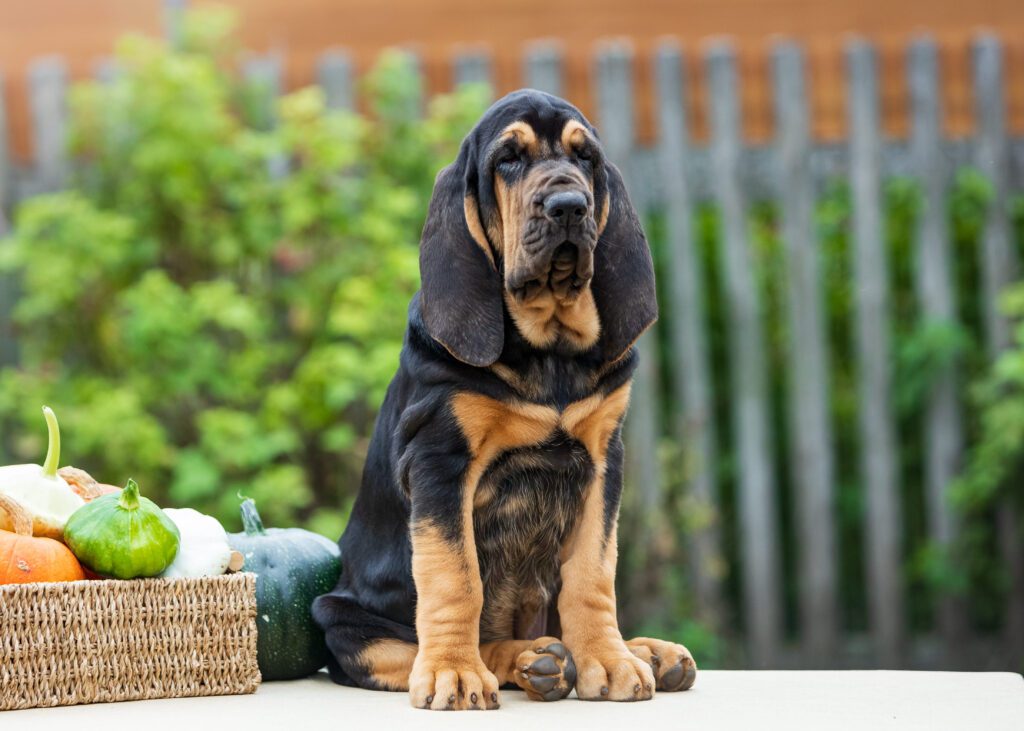
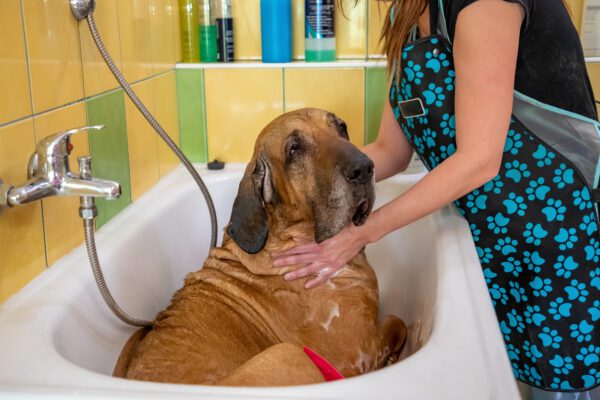
Bloodhounds are gentle, steadfast, and famously nose driven. They adore family time and often bond deeply with their people. Many relax into couch companion mode after a good workout, yet they stay powerful and persistent once a scent catches their interest. Their long ears, wrinkled skin, and musical bay are part of their charm, and their size and drool require daily management.
Research matters before you adopt a Bloodhound in North Carolina. Adoption is preferable to buying because you help a dog in need, you support community welfare, and you often gain helpful background from shelter or foster notes. You also reduce demand for irresponsible breeding and you typically spend less while still welcoming a healthy, well-matched companion.
North Carolina can fit this breed well with its forests, fields, and mountain trails. The climate is humid and summers get hot, so you must plan for shade, water, and rest to prevent overheating. Winters are usually mild, which suits outdoor exercise. Coastal winds, Piedmont suburbs, and mountain switchbacks all offer amazing hikes, yet a Bloodhound should stay on leash or a long line because scent instincts can override recall. Homes with secure fencing work best. Apartment living can work with a strict exercise plan and a plan to manage vocalization.
You can avoid searching rescues and shelters separately by using Dog Academy to browse adoptable Bloodhounds in one place. You can also find educational guides and adoption checklists that help you prepare the right questions, supplies, and timelines. This saves time and helps you focus on the dogs that match your lifestyle.
Start with local animal shelters, regional rescues, and breed-specific rescue groups. Foster-based organizations are common in North Carolina and they often share detailed notes about temperament, energy, and house manners. Purebred Bloodhounds enter shelters due to life changes like moves or medical bills, and some dogs arrive from working or hobby tracking homes. You can often find adults who already know basic cues.
The process usually begins with browsing listings and submitting an application. Most applications ask for identification, household details, and references. Renters are asked for landlord approval and any pet policy. Expect an adoption counselor to review your experience with large dogs and your plan for exercise, containment, and training. Timelines vary by group, yet approval often takes 1 to 3 weeks depending on volume and how quickly references respond.
Next comes a meet-and-greet at a shelter, in a foster home, or at a neutral location. Many groups arrange introductions with resident pets to ensure a safe match. A home check may happen in person or through a virtual tour to confirm safe fencing, secure doors, and a clean space for feeding and rest. Some organizations offer a short trial placement to ensure fit. Final steps include signing an adoption contract, paying the fee, and taking your new dog home with a collar, ID tag, and care instructions. When distance is a barrier, rescues sometimes arrange transport to move dogs between locations using volunteer drivers or licensed carriers. Transport aims to reduce shelter crowding and to place dogs with approved adopters who live farther away.

|
How Much Does It Cost to Adopt a Bloodhound in North Carolina?In North Carolina, most adopters pay $200 to $450 to adopt an adult Bloodhound. Puppies often range from $300 to $550 due to higher demand and added veterinary care. Seniors or dogs with ongoing medical needs may be closer to the lower end so they can find homes more quickly. Fees typically include spaying or neutering, vaccinations, microchipping, and veterinary exams. Many groups also provide heartworm testing, deworming, and flea and tick prevention. Costs vary with age, training, medical history, and overall demand. A dog that completes basic manners classes, receives additional diagnostics, or finishes heartworm treatment can cost more because the organization invests in that care before placement. Geography within the state can also affect price due to transport and veterinary costs. |
How Should I Train a Bloodhound?Bloodhounds are intelligent and sensitive, yet they are also independent problem solvers. Their nose often outranks your voice, which makes recall and loose-leash walking the top challenges. Positive reinforcement works best. Reward with high-value food and short scent games so training competes with outdoor distractions. Keep sessions brief and frequent to protect focus. Begin with name recognition, a strong hand target, and a reliable settle cue. Build loose-leash walking with a front-clip harness, and practice recall on a long line in quiet areas before moving to busier spaces. Add leave-it and drop-it to keep scavenging safe. Teach a place cue for calm during door greetings. Include cooperative care so ear cleaning and skin fold care feel easy and stress free. If you want step-by-step help, explore Dog Academy’s online training courses for leash skills, recall games, impulse control, and enrichment tailored to strong scent hounds. |

|
A great Bloodhound home includes patient people, time for daily exercise, and a commitment to consistent training. A secure yard, a sturdy vehicle, and a plan for drool and ear care help daily life run smoothly. Families that enjoy long walks, nose work, and relaxed evenings at home often thrive with this breed.
Prepare by researching the breed, budgeting for food and veterinary care, and setting up safe confinement before adoption day. Take your time, ask detailed questions, and choose the dog that fits your routine. Use Dog Academy to find current Bloodhound listings and to follow proven checklists so you begin your new life together with confidence.

Introducing a new puppy to your current dog is often an exciting process, and many dogs will become fast friends and eas...
Read More
Rescue dogs can make great companions and can transform your home into something better. These dogs make great pets and ...
Read More
You should never rush to pet a dog. Even dog owners make the mistake of approaching unfamiliar dogs and petting them rig...
Read More
Puppy mill dogs are survivors who have endured extreme hardships in their lives. They have grown up in horrendous, unsan...
Read More
With their wagging tails and comforting presence, adopting a dog can add a unique touch to your life. It’s a heart...
Read More
Older dogs may have a few gray hairs around the edges, but that doesn’t mean they can’t make wonderful companions! T...
Read More